
Cb-type rubber block coupling
Category
Contact Information
Detailed introduction
Product Features
The mechanical rubber coupling can transmit high torque and absorb impact generated by the rotating unit. It requires no lubrication, is easy to install and disassemble, and can operate in harsh environments such as those with moisture, sand, high temperatures, and other adverse conditions. It demands low maintenance and can extend the service life of the equipment.
Application scenarios
Suitable for units with large moment of inertia, significant torque fluctuations, operational impacts, and reciprocating motions.
Cb-type rubber block coupling
The CB-type rubber-block coupling is primarily used in机组 operating under resonant conditions (common to reciprocating units). It features low torsional stiffness and an elastic angular deflection of up to 7°, enabling it to effectively filter out vibrational torque from the unit.
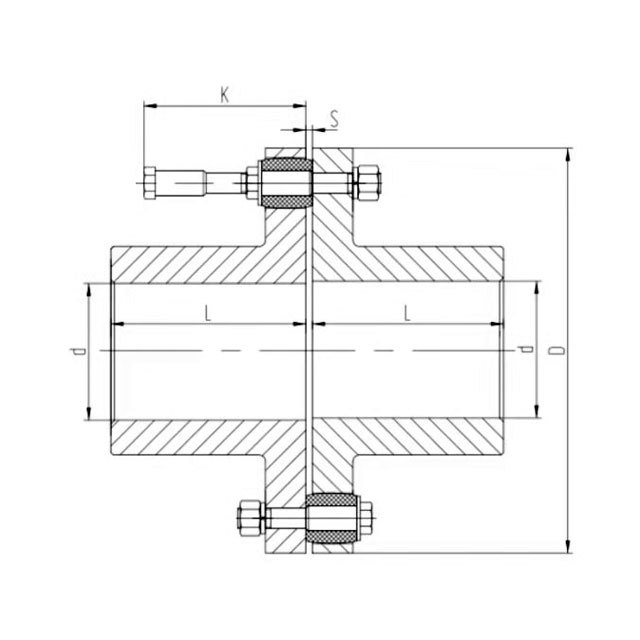
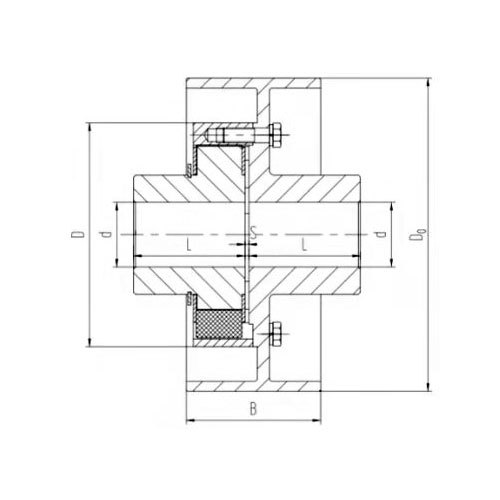
Its structural configuration is shown in Figure 5.3, and the technical parameters and main dimensions are listed in Table 5-2.

Figure 5.3 CB-type Rubber-Disk Coupling
Table 5-2: Technical Parameters and Main Dimensions of CB-Type Rubber Block Coupling
| Model | Peak torque kN·m |
Maximum rotational speed revolutions per minute |
Number of glue holes Z | Number of rubber blocks Quantity Z |
Maximum shaft hole d | D | L | S | K | Moment of inertia kg · m² |
Weight Kilogram |
Misalignment absorption capability | ||
| mm | Axial mm |
Radial mm |
Angular. | |||||||||||
| 1.5 | 0.5 | 6900 | 10 | 10 | 45 | 168 | 55 | 2.5 | 70 | 0.03248 | 11.475 | 0.635 | 0.381 | 0.5 |
| 2 | 0.87 | 5900 | 10 | 10 | 54 | 197 | 61 | 2.5 | 76 | 0.06641 | 18 | 0.635 | 0.381 | 0.5 |
| 2.5 | 1.59 | 4800 | 10 | 10 | 67 | 240 | 67 | 3 | 83 | 0.15196 | 27.765 | 0.762 | 0.508 | 0.5 |
| 3 | 2.9 | 4100 | 10 | 10 | 81 | 285 | 83 | 3 | 108 | 0.34249 | 46.8 | 0.762 | 0.508 | 0.5 |
| 3.5 | 5.07 | 3600 | 10 | 10 | 97 | 340 | 98 | 3 | 121 | 0.8439 | 81.4 | 0.762 | 0.508 | 0.5 |
| 4 | 8.69 | 3000 | 10 | 10 | 118 | 400 | 116 | 3 | 146 | 1.7383 | 124.65 | 0.762 | 0.508 | 0.5 |
| 5 | 15.94 | 2400 | 10 | 10 | 143 | 485 | 143 | 3 | 181 | 3.9776 | 189.9 | 0.762 | 0.508 | 0.5 |
| 6 | 28.98 | 1950 | 10 | 10 | 175 | 595 | 173 | 5 | 222 | 10.5096 | 322.55 | 1.143 | 0.762 | 0.5 |
| 7 | 43.47 | 1760 | 10 | 10 | 199 | 665 | 200 | 5 | 260 | 17.6146 | 467.1 | 1.143 | 0.762 | 0.5 |
| 8 | 57.96 | 1600 | 10 | 10 | 220 | 735 | 213 | 5 | 279 | 30.189 | 645.3 | 1.143 | 0.762 | 0.5 |
| 9 | 86.94 | 1400 | 10 | 10 | 251 | 840 | 243 | 5 | 324 | 59.044 | 964.35 | 1.143 | 0.762 | 0.5 |
| 10 | 115.92 | 1265 | 10 | 10 | 277 | 920 | 273 | 7 | 356 | 93.911 | 1287.9 | 1.524 | 1.016 | 0.5 |
| 12 | 159.39 | 1150 | 10 | 10 | 308 | 1015 | 302 | 7 | 400 | 155.324 | 1766.7 | 1.524 | 1.016 | 0.5 |
| 13 | 217.35 | 1110 | 12 | 24 | 343 | 1055 | 354 | 8 | 248 | 209.003 | 2289.6 | 2.032 | 1.27 | 0.5 |
| 14 | 289.8 | 1030 | 12 | 24 | 375 | 1130 | 398 | 10 | 279 | 316.68 | 2957. 85 | 2.286 | 1.524 | 0.5 |
| 16 | 437.7 | 960 | 16 | 32 | 429 | 1220 | 457 | 10 | 300 | 465.48 | 3962.25 | 2.286 | 1.524 | 0.5 |
CB and WB format selection
If the torque analysis of the shaft has already been performed, select C B or WB based on the results. If the torque analysis of the shaft has not been performed, follow the principles below:
a) For diesel engine drive systems, please consult Schenck Engineering Department.
b) Motor-driven: If direct drive is used without gears and the vibration or impact originates from the motor side, then use WB; CB-type can also be used when it is more suitable.
c) Gear reducer: If the vibration or impact originates from the driven side, a WB-type is typically used; otherwise, a CB-type is employed.
d) Speed increaser: If the impact and vibration originate from the high-speed end, use the WB type; otherwise, if this is not the case, use the CB type.
Keywords
Online Consultation
Contact us today for a free expert consultation!
Related Products
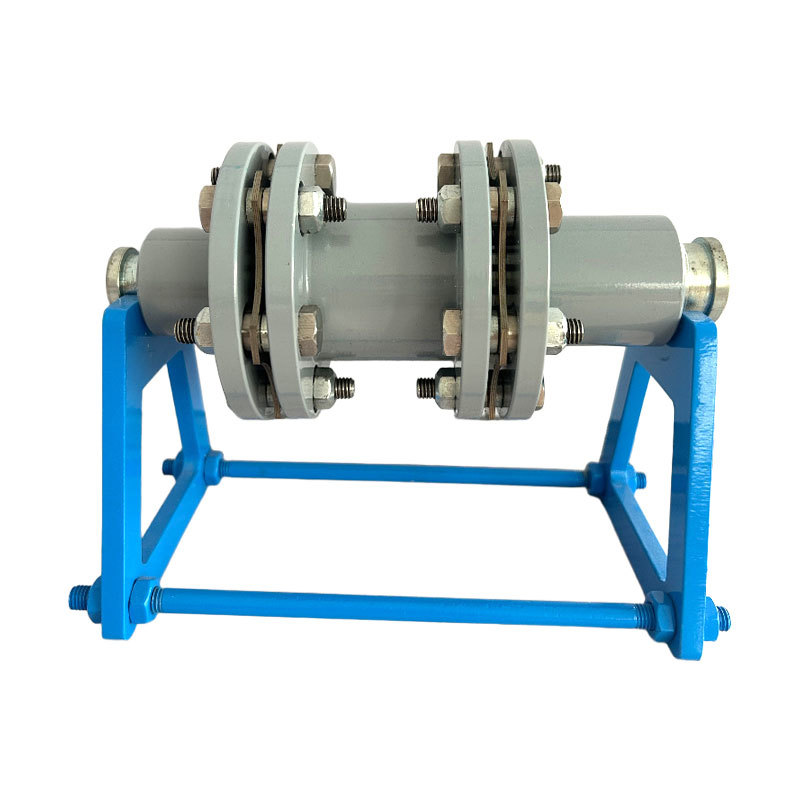
T-type and D-type diaphragm couplings
NUP New Elastic Sleeve Pin Coupling
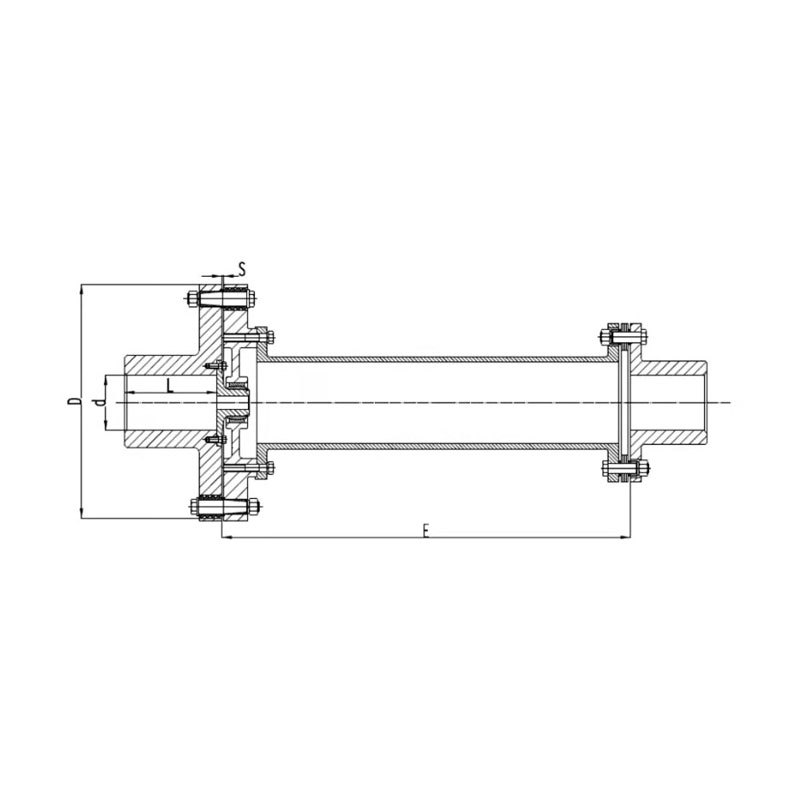
NUPEX Combination Flexible Coupling
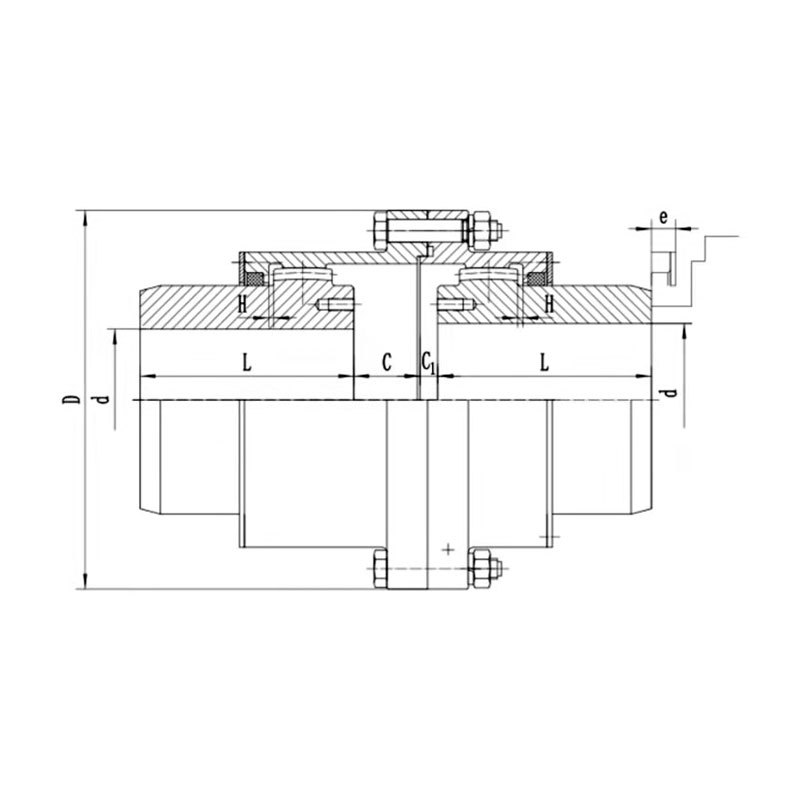
GCLD Type Spherical Tooth Coupling
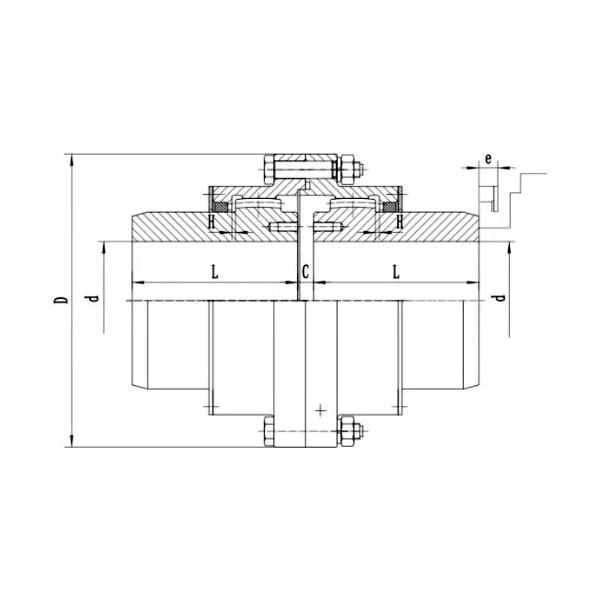
GIICL-type drum-type gear coupling
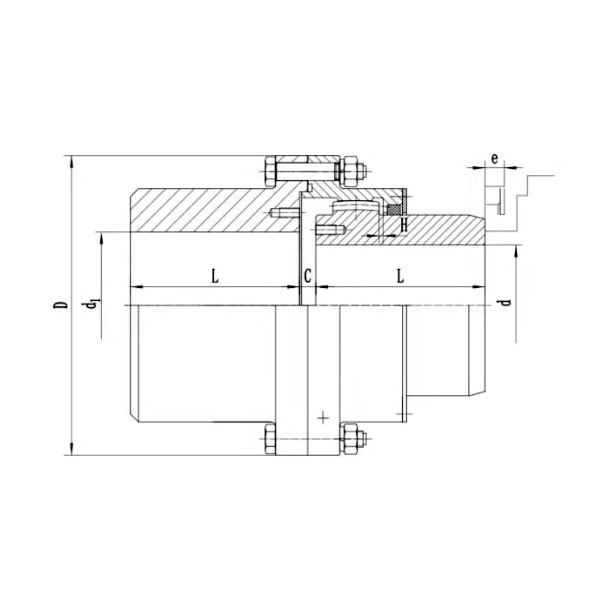
GIICLZ-type drum-type gear coupling
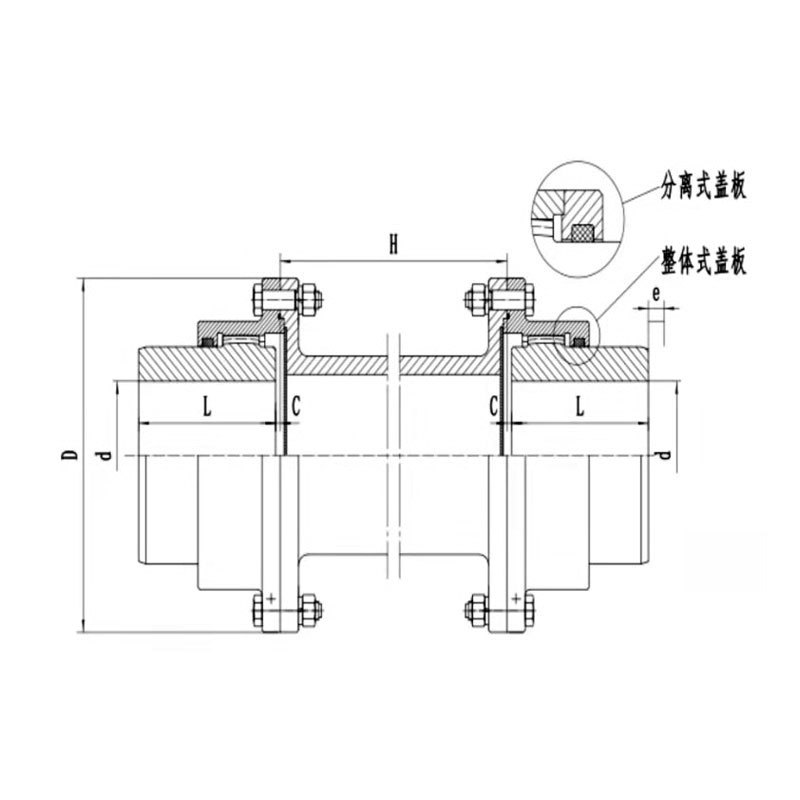
WGT Type Drum-Type Gear Coupling
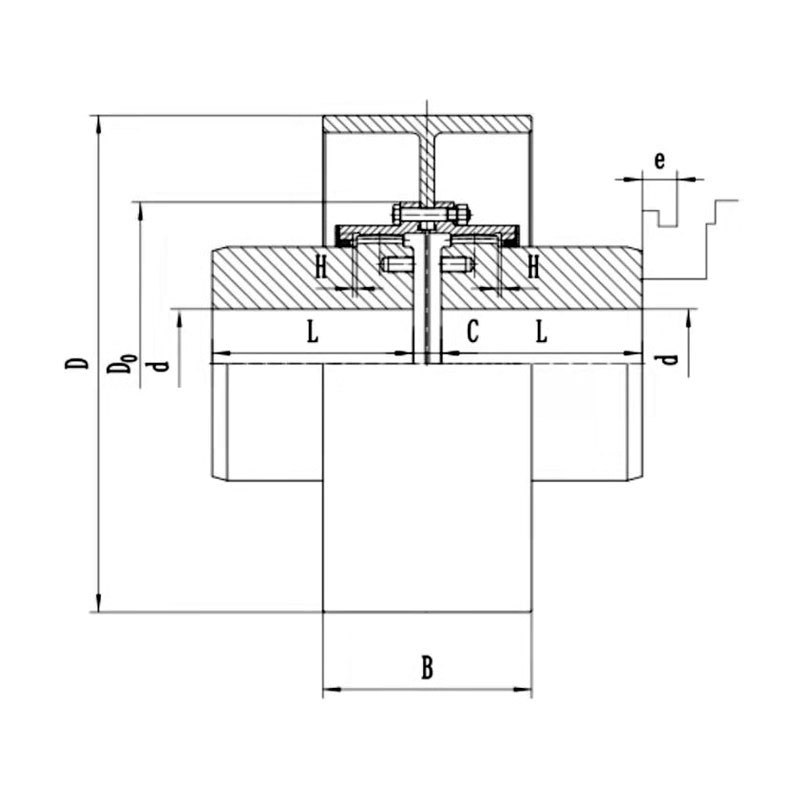
NGCL Type Spherical Tooth Coupling
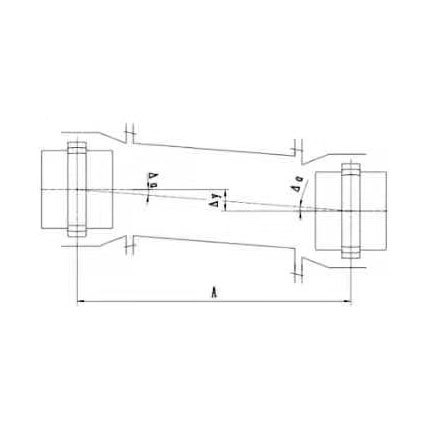
Compensating capacity for relative displacement between the two shafts of a drum-type gear coupling
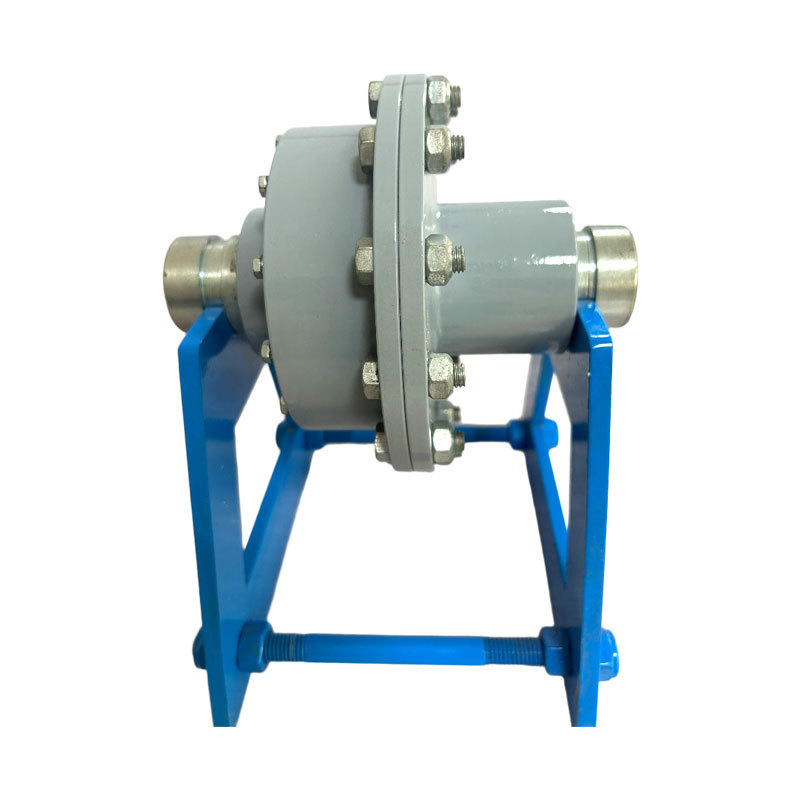
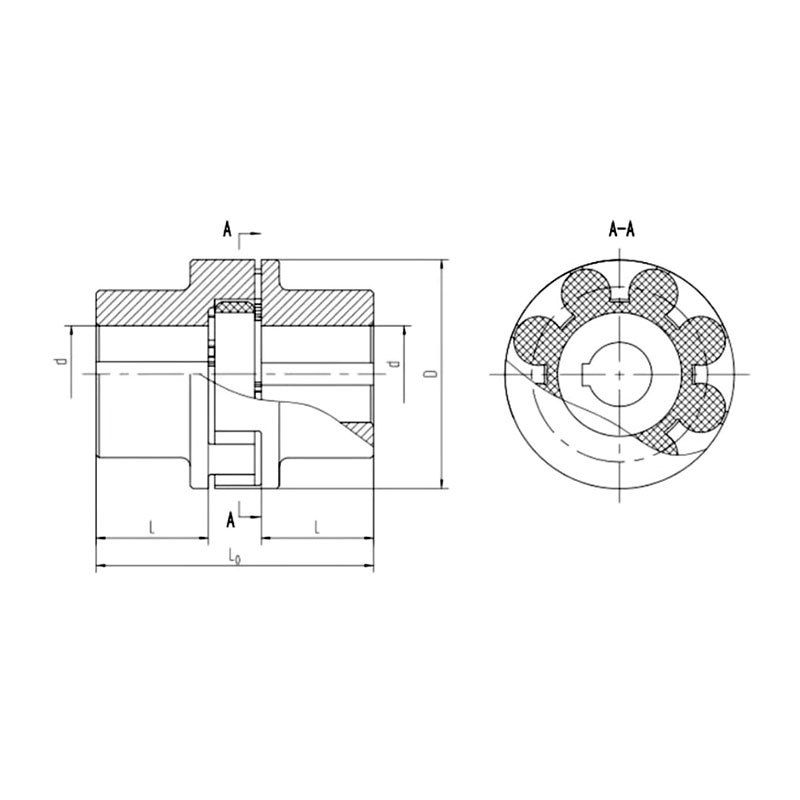
LM-type梅花-shaped elastic coupling
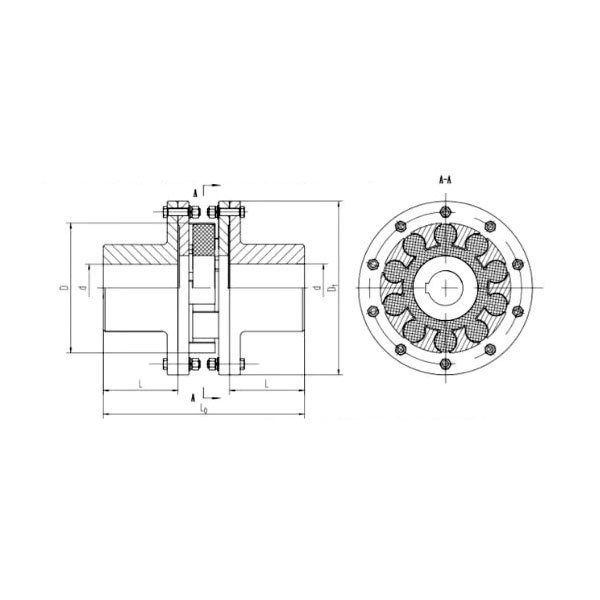
LMS-type梅花-shaped elastic coupling
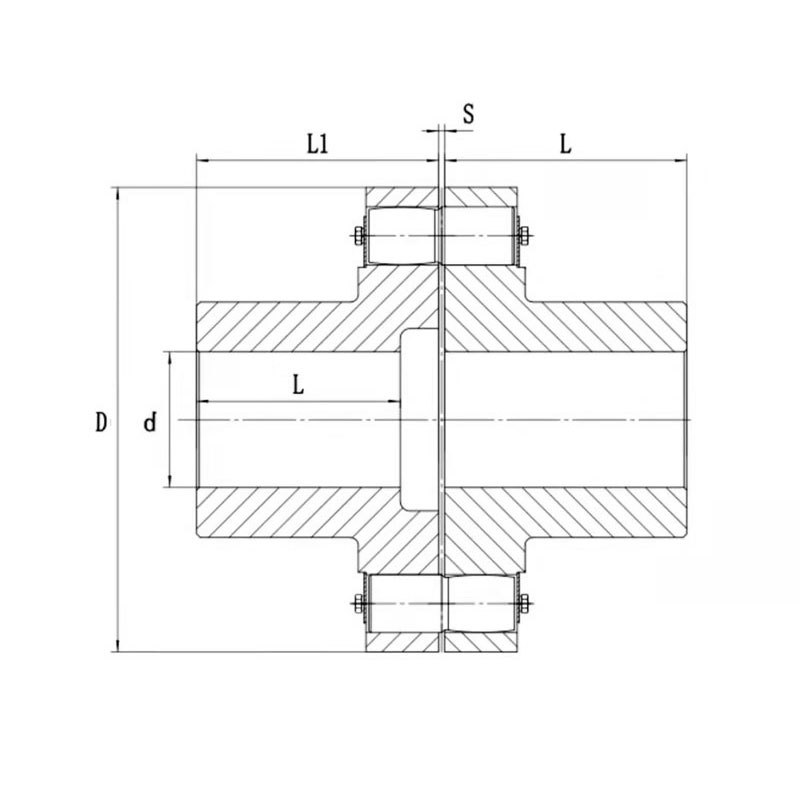
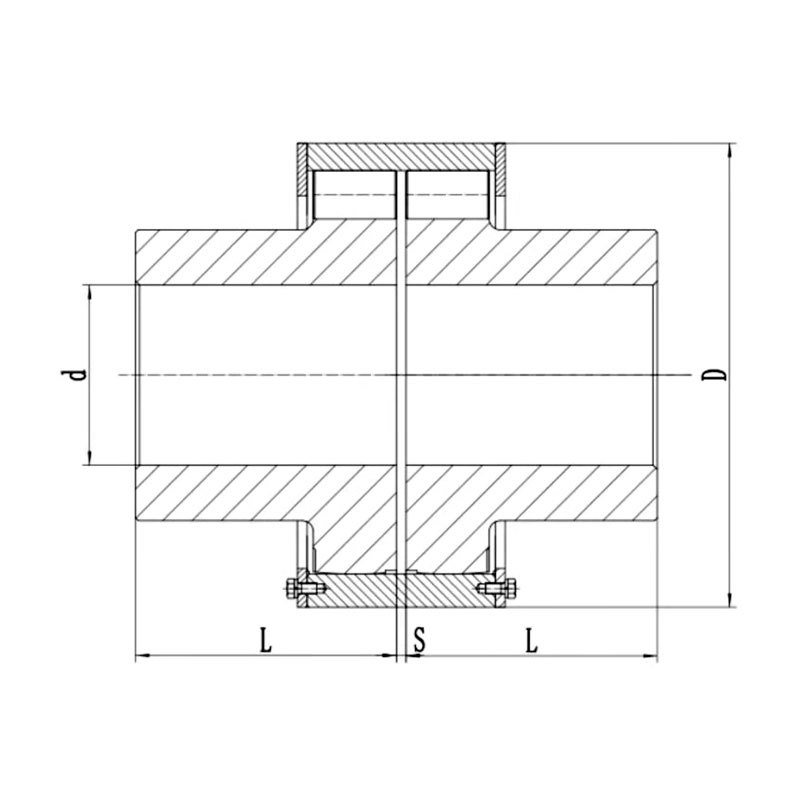
Lz-type Elastic Pin-and-Tooth Coupling
LZZ Type Elastic Pin-and-Block Coupling with Brake Wheel
Shenyang Shenke Power Machinery Co,. Ltd.
Address: No. 34 Jia, Kaifa Avenue, Tiexi Economic and Technological Development Zone, Shenyang
Email:sincflex@vip.163.com
Phone:+86 24 25830257
Mobile phone:+86 15940017261
Fax: +86 24 25308993
WeChat contact