

WGT Type Drum-Type Gear Coupling
Category
Contact Information
Detailed introduction
Product Features
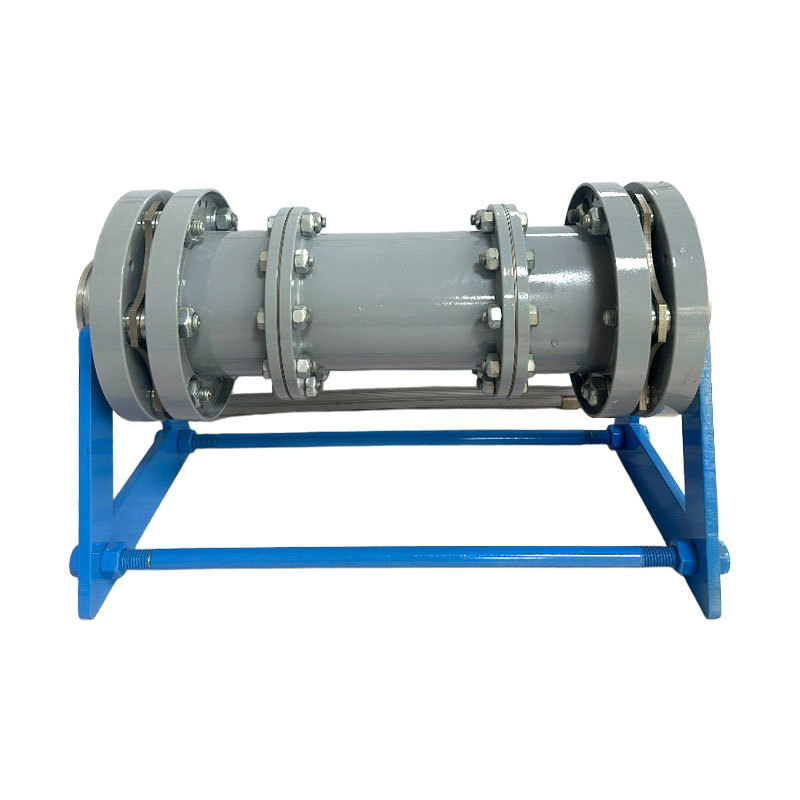
The drum-type gear coupling is a type of rigid-flexible coupling that can compensate for misalignment along the radial, axial, and angular directions. Compared to straight-tooth couplings, it offers advantages such as a compact structure, a small turning radius, high load-carrying capacity, high transmission efficiency, low noise, and a long maintenance interval.
Application scenarios
Suitable for shaft transmission systems in industries such as metallurgy, mining, lifting and transportation, as well as for various types of machinery including petroleum, chemical, and general-purpose machinery.
WGT Type Drum-Type Gear Coupling
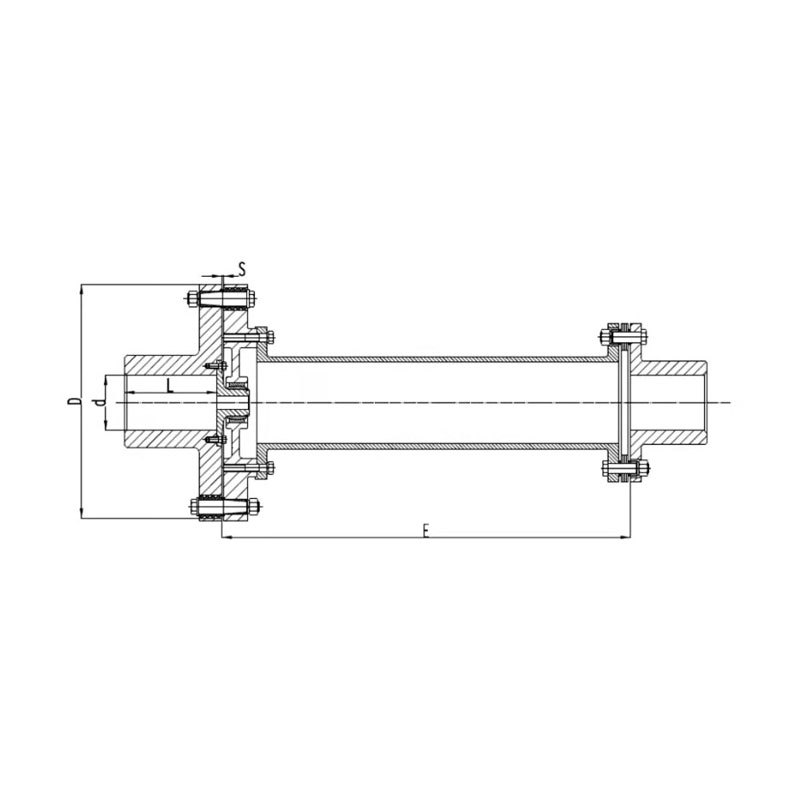
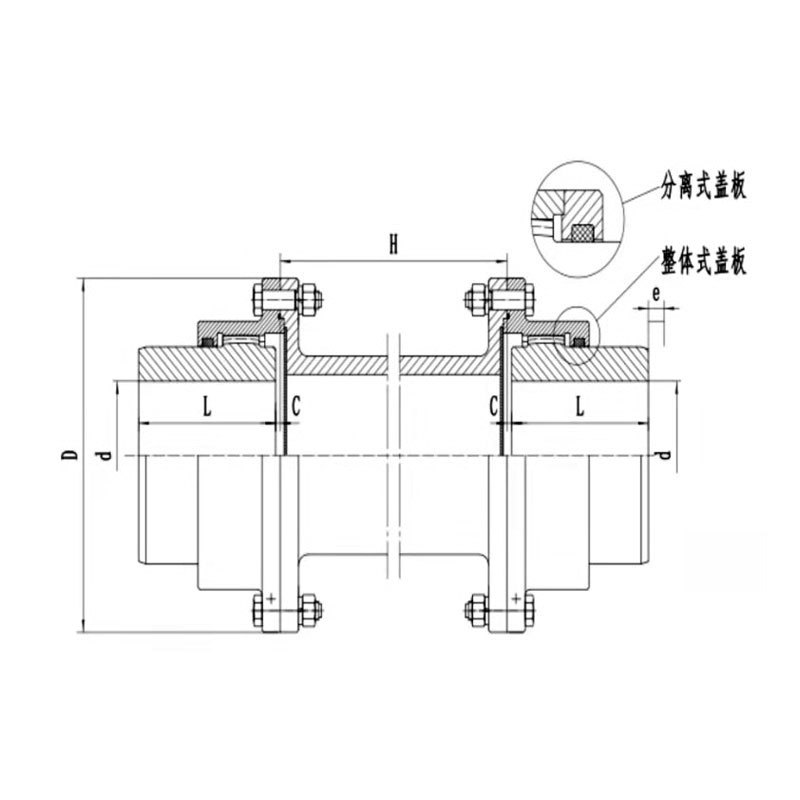
The WGT intermediate sleeve-type drum gear coupling is suitable for applications involving long-distance connections. The structural configuration is shown in Figure 4.6, and the technical and dimensional parameters are listed in Table 4-4.

Figure 4.6 WGT Type Spherical Tooth Coupling
Note: There are two options available for the cover plate.
Table 4-4: Technical Parameters and Main Dimensions of WGT Type Spherical Tooth Coupling
| Model | Nominal torque Tn KN · m |
Permissible rotational speed [n] r/min |
Shaft hole diameter d | Shaft hole length L | D | H min |
C | e | Quality m Kg |
Moment of inertia l Kg · m² |
Lubricant amount Kg |
The mass m of each additional 10 mm added to the intermediate sleeve Kg |
The moment of inertia increases by 10 mm for each additional intermediate sleeve. Quantity 1 Kg · m² |
Intermediate inertia moment la m 4 |
|
| Y | J 1 | ||||||||||||||
| mm | |||||||||||||||
| WGT1 | 0.8 | 7500 | 12, 14 | 32 | - | 122 | 75 | 3 | 30 | 5.66 | 0.008 | 0.085 | 0.088 | 0.00011 | 7.1X10⁵ |
| 16, 18, 19 | 42 | - | |||||||||||||
| 20, 22, 24 | 52 | - | |||||||||||||
| 25, 28 | 62 | 44 | |||||||||||||
| 30, 32, 35, 38 | 82 | 60 | |||||||||||||
| 40, 42 | 112 | 84 | |||||||||||||
| WGT2 | 1.4 | 6300 | 22, 24 | 52 | - | 150 | 80 | 3 | 30 | 9.78 | 0.0021 | 0.09 | 0.13 | 0.00022 | 1.4X10⁶ |
| 25, 8 | 62 | - | |||||||||||||
| 30, 32, 35, 38 | 82 | 60 | |||||||||||||
| 40, 42, 45, 48, 50, 55, 56 | 112 | 84 | |||||||||||||
| WGT3 | 2.8 | 5500 | 22, 24 | 52 | - | 170 | 80 | 3 | 30 | 16.7 | 0.047 | 0.17 | 0.16 | 0.00041 | 2.7X10⁶ |
| 25, 28 | 62 | - | |||||||||||||
| 30, 32, 35, 38 | 82 | 60 | |||||||||||||
| 40, 42, 45, 48, 50, 55, 56 | 112 | 84 | |||||||||||||
| 60, 63 | 142 | 107 | |||||||||||||
| WGT4 | 5 | 4800 | 30, 32, 35, 38 | 82 | - | 200 | 100 | 3 | 30 | 25.6 | 0.098 | 0.25 | 0.2 | 0.0008 | 5.2X10⁶ |
| 40, 42, 45, 48, 50, 55, 56 | 112 | 84 | |||||||||||||
| 60, 63, 65, 70, 71, 75 | 142 | 107 | |||||||||||||
| 80 | 172 | 132 | |||||||||||||
| WGT5 | 8 | 4300 | 30, 32, 35, 38 | 82 | - | 225 | 100 | 3 | 30 | 35 | 0.175 | 0.35 | 0.23 | 0.0012 | 7.9X10⁶ |
| 40, 42, 45, 48, 50, 55, 56 | 112 | 84 | |||||||||||||
| 60, 63, 65, 70, 71, 75 | 142 | 107 | |||||||||||||
| 80, 85, 90 | 172 | 132 | |||||||||||||
Table 4-4: Technical Parameters and Main Dimensions of WGT Type Spherical Tooth Coupling
| Model | Nominal torque Tn KN · m |
Permissible rotational speed [n] r/min |
Shaft hole diameter d | Shaft hole length L | D | H min |
C | e | Quality m Kg |
Moment of inertia l Kg · m² |
Lubricant amount Kg |
The mass m of each additional 10 mm added to the intermediate sleeve Kg |
The moment of inertia increases by 10 mm for each additional intermediate sleeve. Quantity 1 Kg · m² |
Intermediate inertia moment la m 4 |
|
| Y | J 1 | ||||||||||||||
| mm | |||||||||||||||
| WGT6 | 11.2 | 4000 | 32, 35, 38 | 82 | - | 245 | 100 | 5 | 30 | 51.6 | 0.295 | 0.4 | 0.26 | 0.0017 | 1.1X10⁷ |
| 40, 42, 45, 48, 50, 55, 56 | 112 | - | |||||||||||||
| 60, 63, 65, 70, 71, 75 | 142 | 107 | |||||||||||||
| 80, 85, 90, 95 | 172 | 132 | |||||||||||||
| 100 | 212 | 167 | |||||||||||||
| WGT7 | 16 | 3500 | 32, 35, 38 | 82 | - | 272 | 120 | 5 | 30 | 68.6 | 0.53 | 0.6 | 0.32 | 0.003 | 1.9X10⁷ |
| 40, 42, 45, 48, 50, 55, 56 | 112 | - | |||||||||||||
| 60, 63, 65, 70, 71, 75 | 142 | 107 | |||||||||||||
| 80, 85, 90, 95 | 172 | 132 | |||||||||||||
| 100, 110 | 212 | 167 | |||||||||||||
| WGT8 | 22.4 | 3250 | 55, 56 | 112 | - | 290 | 120 | 5 | 30 | 79.5 | 0.71 | 0.75 | 0.32 | 0.003 | 2.8X10⁷ |
| 60, 63, 65, 70, 71, 75 | 142 | 107 | |||||||||||||
| 80, 85, 90, 95 | 172 | 132 | |||||||||||||
| 100, 110, 120, 125 | 212 | 167 | |||||||||||||
| WGT9 | 28 | 3000 | 65, 70, 71, 75 | 142 | 107 | 315 | 155 | 5 | 30 | 106.5 | 1.05 | 1 | 0.42 | 0.0045 | 3.6X10⁷ |
| 80, 85, 90, 95 | 172 | 132 | |||||||||||||
| 100, 110, 120, 125 | 212 | 167 | |||||||||||||
| 130, 140 | 252 | 202 | |||||||||||||
| WGT10 | 45 | 2600 | 75 | 142 | - | 355 | 155 | 5 | 30 | 158.8 | 1.87 | 1.3 | 0.46 | 0.0064 | 5.1X10⁷ |
| 80, 85, 90, 95 | 172 | 132 | |||||||||||||
| 100, 110, 120, 125 | 212 | 167 | |||||||||||||
| 130, 140, 150 | 252 | 202 | |||||||||||||
| 160 | 302 | 242 | |||||||||||||
Table 4-4: Technical Parameters and Main Dimensions of WGT Type Spherical Tooth Coupling
| Model | Nominal torque Tn KN · m |
Permissible rotational speed [n] r/min |
Shaft hole diameter d | Shaft hole length L | D | H min |
C | e | Quality m Kg |
Moment of inertia l Kg · m² |
Lubricant amount Kg |
The mass m of each additional 10 mm added to the intermediate sleeve Kg |
The moment of inertia increases by 10 mm for each additional intermediate sleeve. Quantity 1 Kg · m² |
Intermediate inertia moment la m 4 |
|
| Y | J 1 | ||||||||||||||
| mm | |||||||||||||||
| WGT11 | 63 | 2300 | 85, 90, 95 | 172 | - | 412 | 175 | 8 | 40 | 216.6 | 3.71 | 1.6 | 0.52 | 0.0091 | 1.1X10⁸ |
| 100, 110, 120, 125 | 212 | 167 | |||||||||||||
| 130, 140, 150 | 252 | 202 | |||||||||||||
| 160, 170, 180 | 302 | 242 | |||||||||||||
| WGT12 | 90 | 2100 | 120, 125 | 212 | 167 | 440 | 205 | 8 | 40 | 305.3 | 6.43 | 2.6 | 0.71 | 0.015 | 1.4X10⁸ |
| 130, 140, 150 | 252 | 202 | |||||||||||||
| 160, 170, 180 | 302 | 242 | |||||||||||||
| 190, 200 | 352 | 282 | |||||||||||||
| WGT13 | 125 | 1800 | 140, 150 | 252 | 202 | 490 | 205 | 8 | 50 | 394.5 | 10.58 | 3.3 | 0.83 | 0.024 | 2.3X10⁸ |
| 160, 170, 180 | 302 | 242 | |||||||||||||
| 190, 200, 220 | 352 | 282 | |||||||||||||
| WGT14 | 180 | 1700 | 160, 170, 180 | 302 | 242 | 545 | 240 | 10 | 50 | 529.5 | 17.72 | 4.8 | 0.96 | 0.037 | 2.8X10⁸ |
| 190, 200, 220 | 352 | 282 | |||||||||||||
| 240, 250, 260 | 410 | 330 | |||||||||||||
| WCT15 | 250 | 1600 | 160, 170, 180 | 302 | 242 | 580 | 240 | 10 | 50 | 684.5 |
25.25 | 5 | 1.03 | 0.044 | 3.3X10⁸ |
| 190, 200, 220 | 352 | 282 | |||||||||||||
| 240, 250, 260 | 410 | 330 | |||||||||||||
| 280 | 470 | 380 | |||||||||||||
| WGT16 | 315 | 1450 | 180 | 302 | 242 | 650 | 240 | 12 | 50 | 948.2 | 43.7 | 7 | 1.5 | 0.072 | 5.6X10⁸ |
| 190, 200, 220 | 352 | 282 | |||||||||||||
| 240, 250, 260 | 410 | 330 | |||||||||||||
| 280, 300 | 470 | 380 | |||||||||||||
| WGT17 | 400 | 1300 | 200, 220 | 352 | 282 | 690 | 280 | 12 | 50 | 1059 | 57.37 | 8 | 2.5 | 0.16 | 1.0X10⁹ |
| 240, 250, 260 | 410 | 330 | |||||||||||||
| 280, 300, 320 | 470 | 380 | |||||||||||||
Table 4-4: Technical Parameters and Main Dimensions of WGT Type Spherical Tooth Coupling
| Model | Nominal torque Tn KN · m |
Permissible rotational speed [n] r/min |
Shaft hole diameter d | Shaft hole length L | D | H min |
C | e | Quality m Kg |
Moment of inertia l Kg · m² |
Lubricant amount Kg |
The mass m of each additional 10 mm added to the intermediate sleeve Kg |
The moment of inertia increases by 10 mm for each additional intermediate sleeve. Quantity 1 Kg · m² |
Intermediate inertia moment la m 4 |
|
| Y | J 1 | ||||||||||||||
| mm | |||||||||||||||
| WGT18 | 500 | 1200 | 220 | 352 | 282 | 750 | 280 | 12 | 60 | 1399 | 59.37 | 10 | 2.76 | 0.22 | 1.5X10⁹ |
| 240, 250, 260 | 410 | 330 | |||||||||||||
| 280, 300, 320 | 470 | 380 | |||||||||||||
| 340, 360 | 550 | 450 | |||||||||||||
| WGT19 | 630 | 1100 | 240, 250, 260 | 410 | 330 | 775 | 350 | 12 | 60 | 1544 | 110.2 | 11 | 2.96 | 0.27 | 1.9X10⁹ |
| 280, 300, 320 | 470 | 380 | |||||||||||||
| 340, 360, 380 | 550 | 450 | |||||||||||||
| WGT20 | 800 | 1000 | 260 | 410 | 330 | 825 | 350 | 14 | 60 | 2099 | 166.1 | 13 | 3.16 | 0.32 | 2.2X10⁹ |
| 280, 300, 320 | 470 | 380 | |||||||||||||
| 340, 360, 380 | 550 | 450 | |||||||||||||
| 400 | 650 | 540 | |||||||||||||
| WGT21 | 900 | 950 | 280, 300, 320 | 470 | 380 | 925 | 350 | 14 | 60 | 2482 | 242.7 | 20 | 4.2 | 0.5 | 3.2X10⁹ |
| 340, 360, 380 | 550 | 450 | |||||||||||||
| 400, 420, 440 | 650 | 540 | |||||||||||||
| WGT22 | 1000 | 900 | 320 | 470 | 380 | 950 | 400 | 14 | 60 | 2797 | 299.2 | 26 | 4.47 | 0.59 | 3.7X10⁹ |
| 340, 360, 380 | 550 | 450 | |||||||||||||
| 400, 420, 440, 450, 460 | 650 | 540 | |||||||||||||
| WGT23 | 1120 | 880 | 360, 380 | 550 | 450 | 1030 | 400 | 14 | 60 | 3183 | 388.8 | 29 | 4.77 | 0.88 | 5.6X10⁹ |
| 400, 420, 440, 450, 460, 480, 500 | 650 | 540 | |||||||||||||
| WGT24 | 1400 | 850 | 380 | 550 | 450 | 1060 | 400 | 16 | 70 | 3801 | 482 | 32 | 6.07 | 1.02 | 6.5X10⁹ |
| 400, 420, 440, 450, 460, 480, 500 | 650 | 540 | |||||||||||||
| 520 | 800 | 680 | |||||||||||||
Note: 1. The moment of inertia and mass are calculated based on the J1 type, including the shaft extension.
2. The shaft hole length is recommended to be of Type J1.
3. e is the dimension required for replacing the seal.
4. The allowable rotational speed [n] refers to the value when the equivalent angular misalignment is ≤0.25°. If the equivalent angular misalignment exceeds 0.25°, please consult our company’s technical staff for selection guidance.
Keywords
Online Consultation
Contact us today for a free expert consultation!
Related Products
T-type and D-type diaphragm couplings
NUP New Elastic Sleeve Pin Coupling
NUPEX Combination Flexible Coupling
GCLD Type Spherical Tooth Coupling
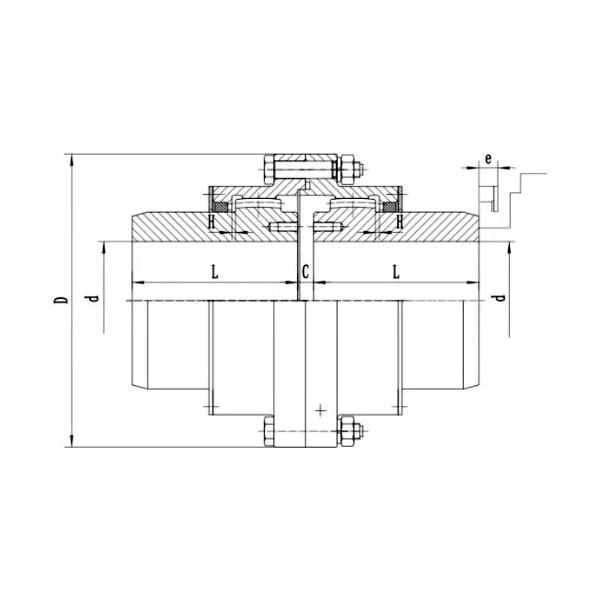
GIICL-type drum-type gear coupling
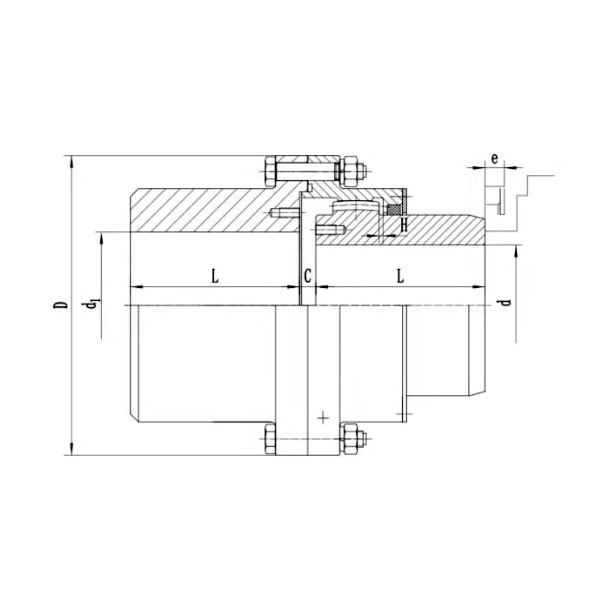
GIICLZ-type drum-type gear coupling
WGT Type Drum-Type Gear Coupling
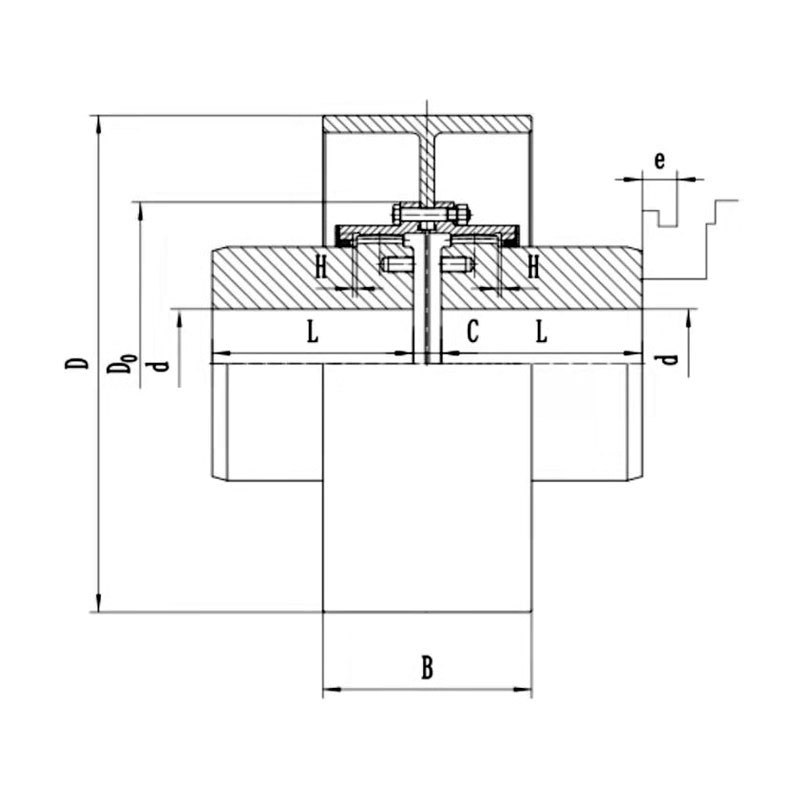
NGCL Type Spherical Tooth Coupling
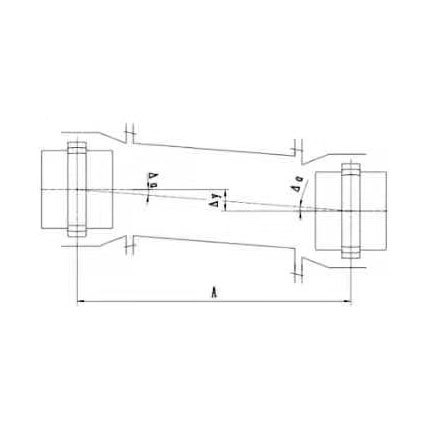
Compensating capacity for relative displacement between the two shafts of a drum-type gear coupling
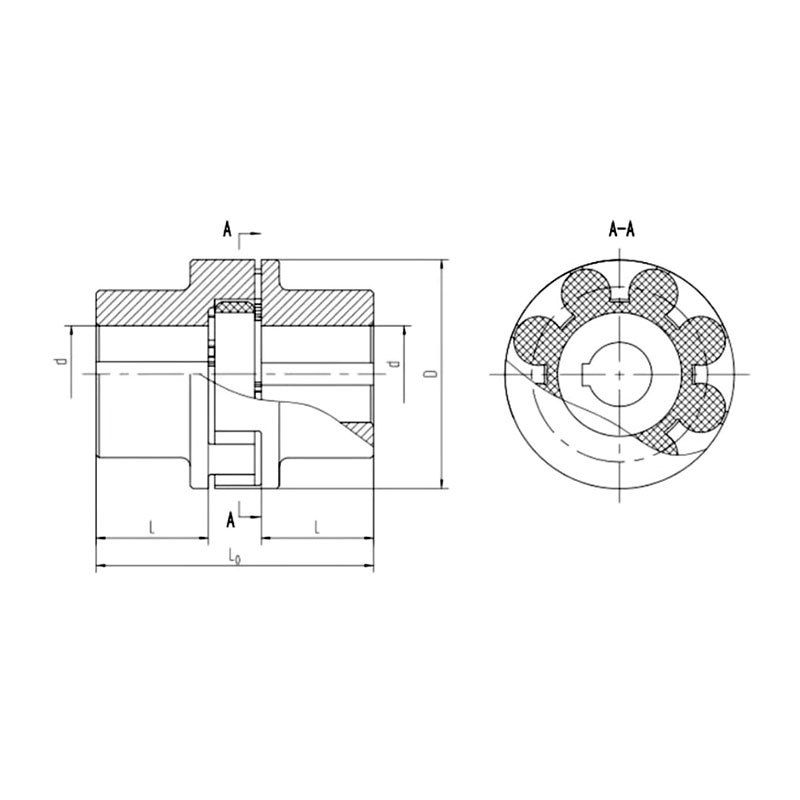
LM-type梅花-shaped elastic coupling
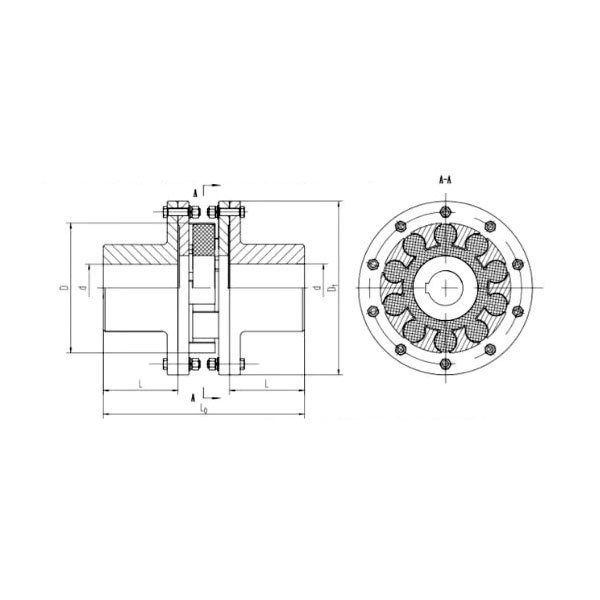
LMS-type梅花-shaped elastic coupling
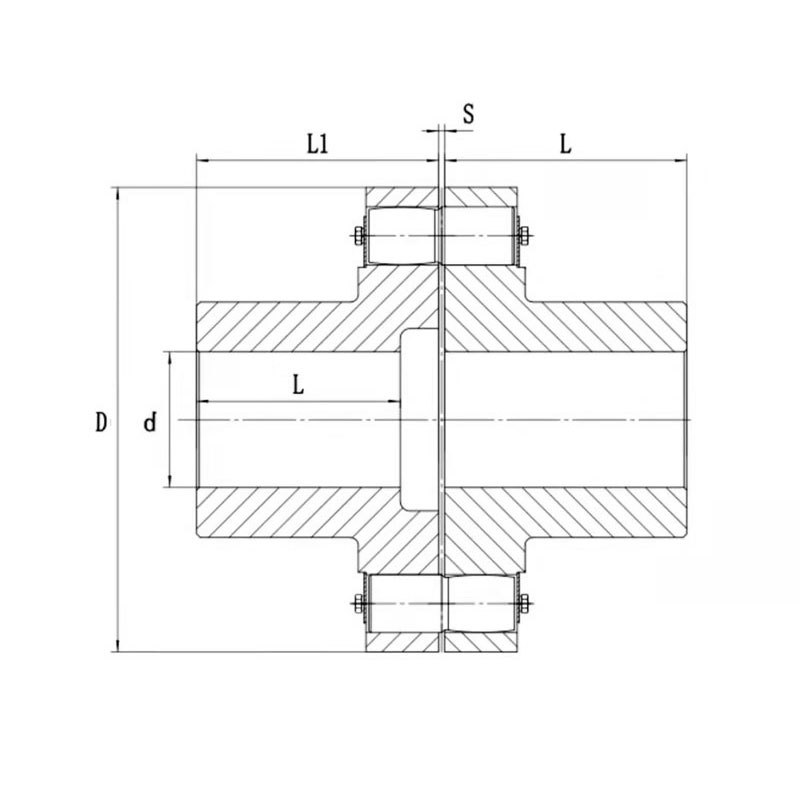
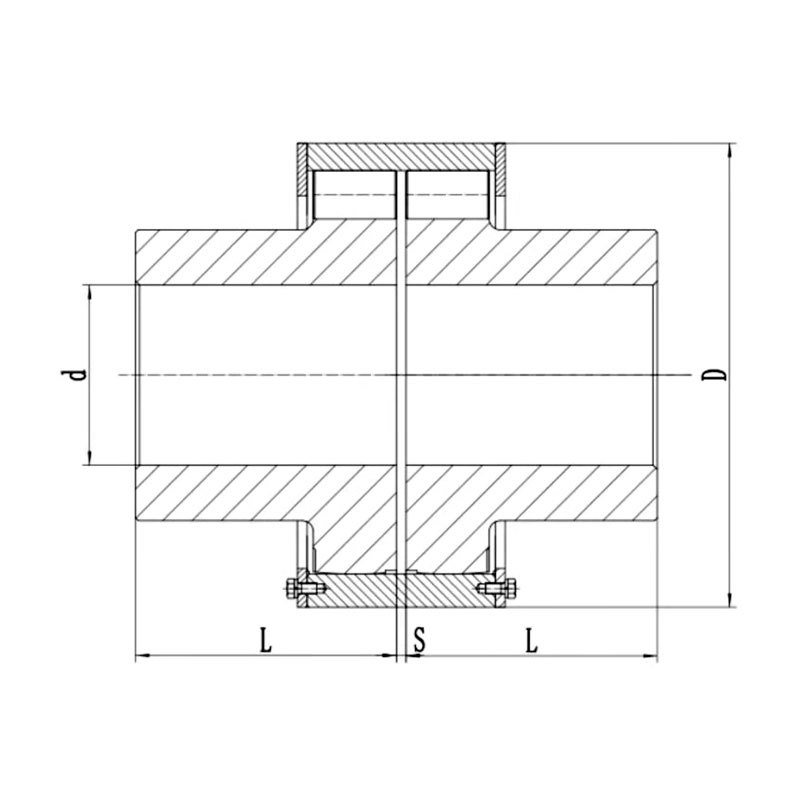
Lz-type Elastic Pin-and-Tooth Coupling
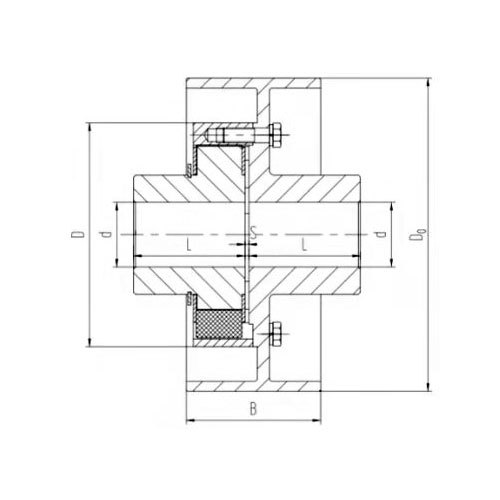
LZZ Type Elastic Pin-and-Block Coupling with Brake Wheel
Shenyang Shenke Power Machinery Co,. Ltd.
Address: No. 34 Jia, Kaifa Avenue, Tiexi Economic and Technological Development Zone, Shenyang
Email:sincflex@vip.163.com
Phone:+86 24 25830257
Mobile phone:+86 15940017261
Fax: +86 24 25308993
WeChat contact